The Growing Market for Sustainable Toys: A Green Revolution in Play
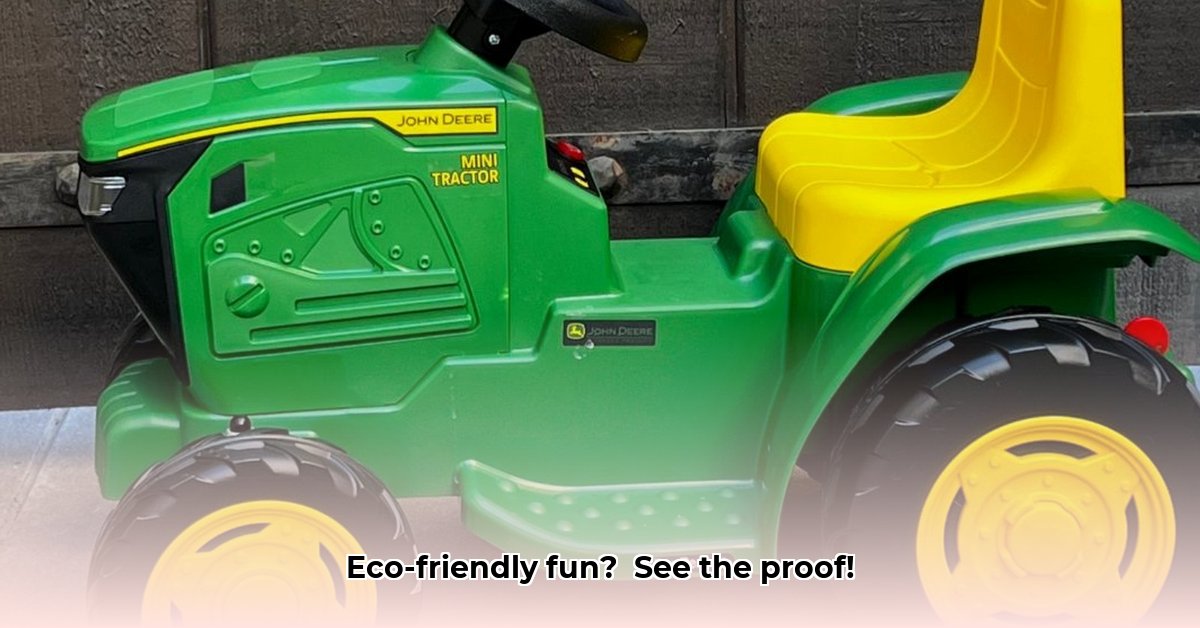
The toy industry is undergoing a significant transformation, fueled by a surging demand for eco-friendly playthings. Parents are increasingly prioritizing sustainability, seeking toys made with responsible manufacturing practices and sustainable materials. This shift creates a lucrative opportunity for toy manufacturers to innovate and cater to this growing market segment. John Deere's mini ride-on tractors, already popular with children, represent a fascinating case study in this emerging trend. How can this iconic brand navigate the path towards greater environmental responsibility? Let's delve into the details. For more information on John Deere's toddler tractors, see this site.
Children's Ride-On Tractors: A Market Analysis
While precise market sizing for children's ride-on tractors remains elusive, the undeniable trend is the rapid growth in demand for sustainable toy options. Parents' heightened environmental awareness is driving this change, pushing toy manufacturers to adopt more eco-conscious approaches across the board—from material sourcing to manufacturing practices. This increasing consumer consciousness fuels market innovation, promising a future brimming with more sustainable ride-on toy options. Are John Deere tractors keeping pace with this shift? Let's investigate.
John Deere Mini Ride-On Tractor: A Sustainability Deep Dive
John Deere’s mini ride-on tractors are popular choices for young children, offering an engaging and interactive play experience. But how sustainable are these miniature farming machines? A comprehensive assessment requires a detailed look at their production lifecycle, from material sourcing to disposal. While information on the specific sustainable features of John Deere's mini tractors is currently limited, this lack of transparency highlights a pressing need for greater industry accountability.
Material Composition and Sourcing:
The primary materials used in the construction of John Deere mini tractors require further scrutiny. A detailed breakdown of the plastic types, percentage of recycled content (if any), and the origin of these materials is crucial for a thorough sustainability assessment. Are these plastics derived from renewable sources? Are they recyclable? These unanswered questions underscore a need for transparency.
Manufacturing Processes and Energy Consumption:
A thorough assessment demands insight into the manufacturing process, including energy consumption and associated emissions. Detailed information on these aspects remains unavailable to the public. Transparency in this area can help determine the overall environmental impact of production. Is the manufacturing process optimized for energy efficiency? Are renewable energy sources being utilized? These are key questions that must be addressed.
Packaging and End-of-Life Management:
The packaging used for John Deere mini tractors is another crucial aspect of their environmental impact. Information about the type of packaging material, its recyclability, and details on the product's end-of-life management is currently lacking. Is the packaging made from sustainable materials? Is it easily recyclable or compostable? Clear and readily available instruction on responsible disposal is essential.
Currently, without a complete lifecycle assessment (LCA) for the John Deere mini tractor, a definitive sustainability rating remains impossible. We need more data.
Sustainability Analysis: A Call for Transparency
To accurately assess the sustainability of John Deere's mini tractors, a rigorous life cycle assessment (LCA) is indispensable. This process involves meticulously examining every stage of the product's journey—from initial material sourcing to final disposal. It encompasses:
- Material Sourcing: Evaluating the environmental impact of raw material extraction.
- Manufacturing: Analyzing energy consumption and emissions during production.
- Distribution: Assessing the carbon footprint of transportation and logistics.
- Use Phase: Considering the energy and resource consumption associated with product use.
- End-of-Life: Evaluating the product's recyclability, biodegradability, and potential for waste reduction.
A holistic LCA would provide a comprehensive picture of the environmental impact, allowing for a more accurate sustainability rating. Openly sharing this data demonstrates greater corporate responsibility and fosters greater consumer confidence.
Future Trends and Opportunities in Sustainable Toys
The future trajectory of sustainable toys is undeniably positive, with notable advancements in several key areas paving the way for a greener tomorrow:
- Bioplastics: Renewable resources like plant-based materials are increasingly utilized in toy manufacturing.
- Recycled Materials: The incorporation of recycled plastics and other materials is becoming more prevalent.
- Responsible Manufacturing: Companies are increasingly adopting eco-friendly practices throughout their supply chain.
- Extended Producer Responsibility (EPR): This shift in responsibility for managing end-of-life products is gaining momentum.
- Transparency and Traceability: Full transparency regarding the sourcing of materials and manufacturing processes is crucial.
Actionable Recommendations: A Path to Greener Play
To accelerate progress toward a greener toy industry, manufacturers and retailers must take proactive steps:
For Manufacturers:
- Invest in LCA: Conduct and publicly release comprehensive lifecycle assessments for all products.
- Sustainable Material Sourcing: Prioritize certified sustainable materials and transparent supply chains.
- Eco-Friendly Manufacturing: Optimize manufacturing processes to minimize energy use and waste.
- Sustainable Packaging: Utilize minimal, recyclable, or compostable packaging.
- Product Durability: Design durable products for extended use lifespans.
For Retailers:
- Highlight Sustainability: Clearly communicate the eco-friendly features of products to consumers.
- Ethical Sourcing: Partner exclusively with manufacturers committed to sustainable practices.
- Consumer Education: Provide clear and accessible information about product sustainability.
- Responsible Disposal Programs: Facilitate the proper recycling or disposal of toys.
Conclusion: Building a Sustainable Future, One Toy at a Time
The creation of more sustainable John Deere ride-on tractors for kids is entirely feasible. A commitment to transparency, ethical production, and forward-thinking design are key. Manufacturers must embrace lifecycle assessments and open communication about their sustainable efforts. Retailers must champion eco-friendly options and educate consumers. Parents can play a vital role by demanding more from the brands they support. By working collaboratively, we can cultivate a future where fun and sustainability are inseparable, ensuring a brighter future for our children and our planet.